
Written By
Archie Hawkins
Date Published
14 August 2023
Addressing stagnant water remains paramount when considering the vitality of vast water bodies, not just for irrigation but for ecosystems at large. Indeed, aeration stands out as an essential strategy in this arena. Why this emphasis on aeration? Firstly, it becomes the cornerstone of preserving optimal water quality, a factor that has cascading benefits. Aerating introduces a rise in dissolved oxygen levels. Such elevated levels are not just mere statistics; they serve as vital components for aquatic life and for plant root respiration.
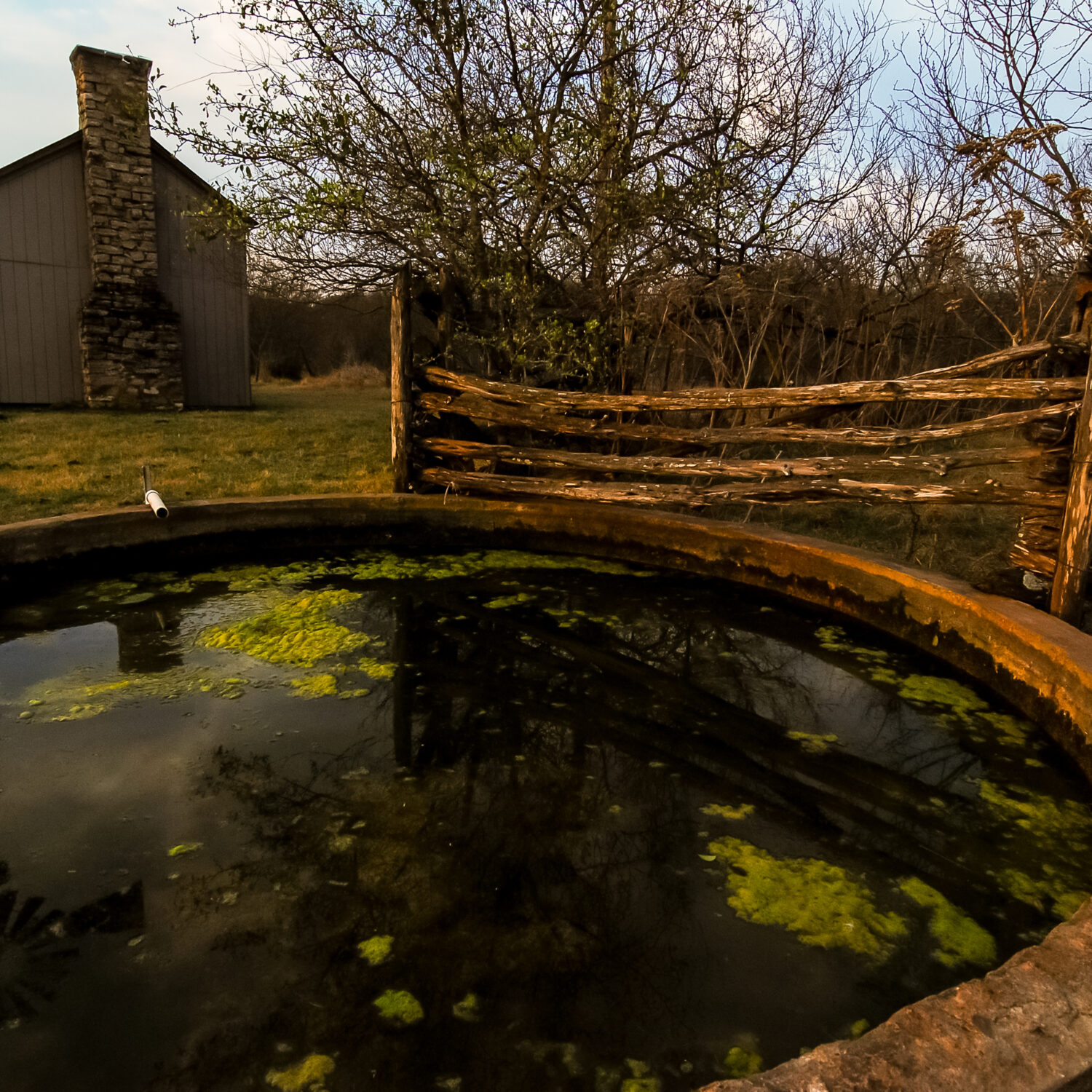
Now, let’s focus on stagnant water, a scenario no one desires. If overlooked, stagnant water becomes a breeding ground for numerous challenges. Aeration actively combats this, ensuring water remains in motion and doesn’t settle into stagnation. The ripple effects are manifold. There’s a pronounced decline in nutrient buildup, often a consequence of stagnant water. Additionally, the menace of algae blooms, which frequently stem from prolonged stagnant water scenarios, is kept at bay. Remember, unchecked algae blooms don’t just mar the water’s aesthetic appeal; they can severely disrupt aquatic ecosystems.
The tale of aeration doesn’t end here. The heightened oxygenation it brings is a boon for surrounding environments, promoting a healthy interplay between water, soil, and air. This interplay, in turn, optimizes nutrient absorption, benefiting both aquatic plants and those on the banks. Furthermore, aeration ensures consistent water movement, creating an environment where nutrients disseminate uniformly.
To encapsulate, aeration’s role in combatting this sits at the crux of a healthy aquatic environment. Beyond its direct benefits, aeration contributes to an intricate ecological balance, ensuring water bodies remain vibrant and teeming with life, whether for irrigation or natural habitats.
Share Insight


